
This guide explains how double glazed windows are constructed, the materials used, and how Magnetite’s retrofit double glazing solution can deliver the same benefits without replacing your existing windows.
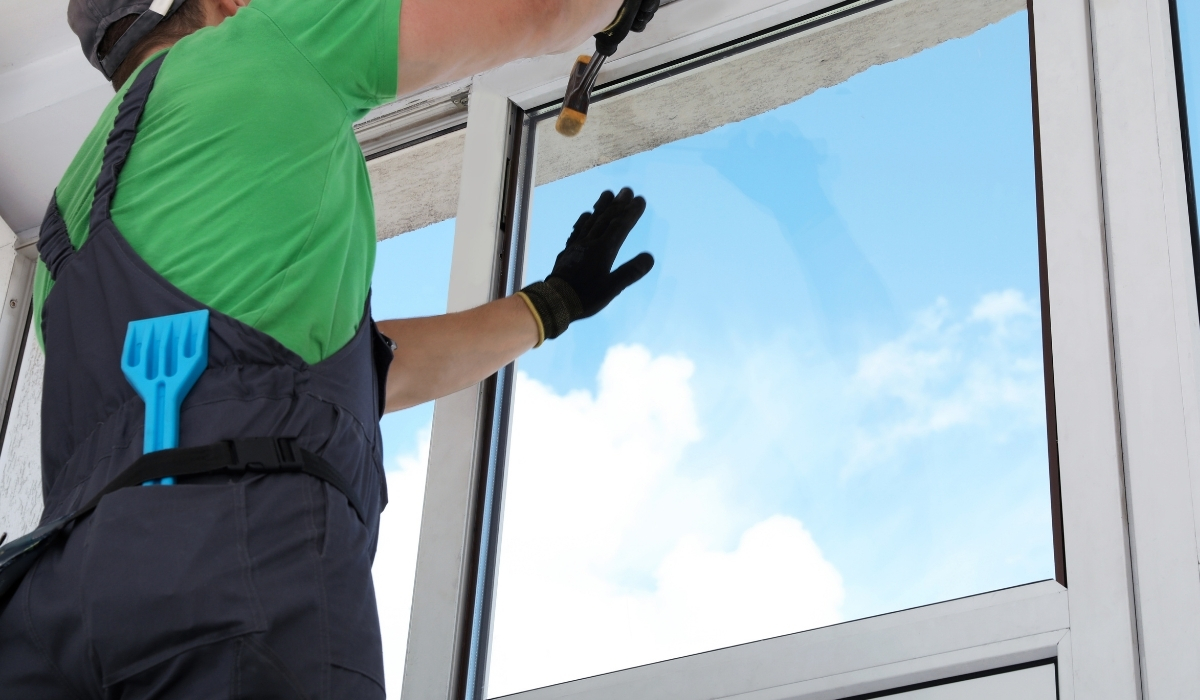
What Are Double Glazed Windows?
Understanding the basic components
Double glazed windows are made by sealing two panes of glass together with a spacer in between. This creates a narrow, airtight gap that can be filled with air or an insulating gas such as argon. The sealed unit is designed to slow down heat transfer, keeping warm air inside during winter and hot air out during summer.
Why double glazing is popular in New Zealand homes
New Zealand’s varied climate means homeowners face cold, damp winters and increasingly hot summers. Double glazing helps regulate indoor temperatures, improves energy efficiency, and reduces outside noise - all of which make homes more comfortable and often more valuable.
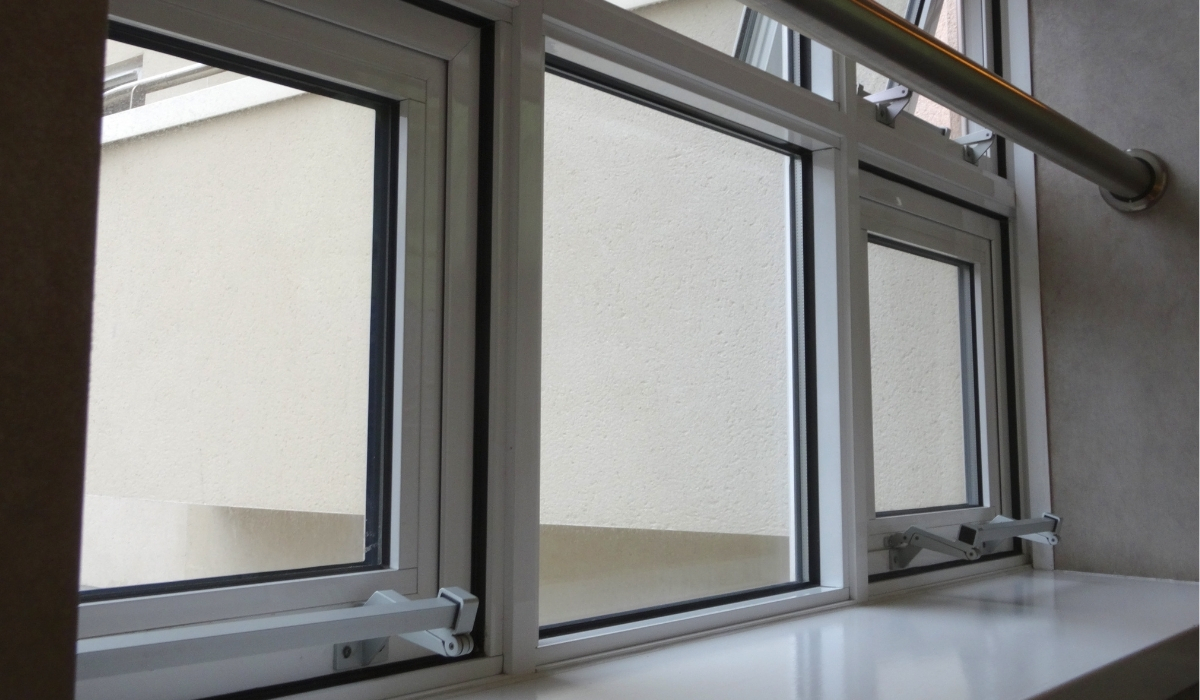
How Are Double Glazed Windows Made?
The two panes of glass
The process begins by cutting two panes of glass to the required size. These panes are matched carefully to ensure a perfect fit when sealed together.
The spacer bar and sealed air gap
Between the panes is a spacer bar, which maintains a consistent gap - usually between 6 and 20 millimetres. This cavity is what provides insulation. The spacer is bonded to the glass using a sealant, ensuring the unit is airtight.
Gas fills and their role in insulation
Many double glazed windows are filled with argon gas instead of just air. Argon is denser than air, which slows the transfer of heat and helps improve the window’s insulating properties.
Importance of quality seals
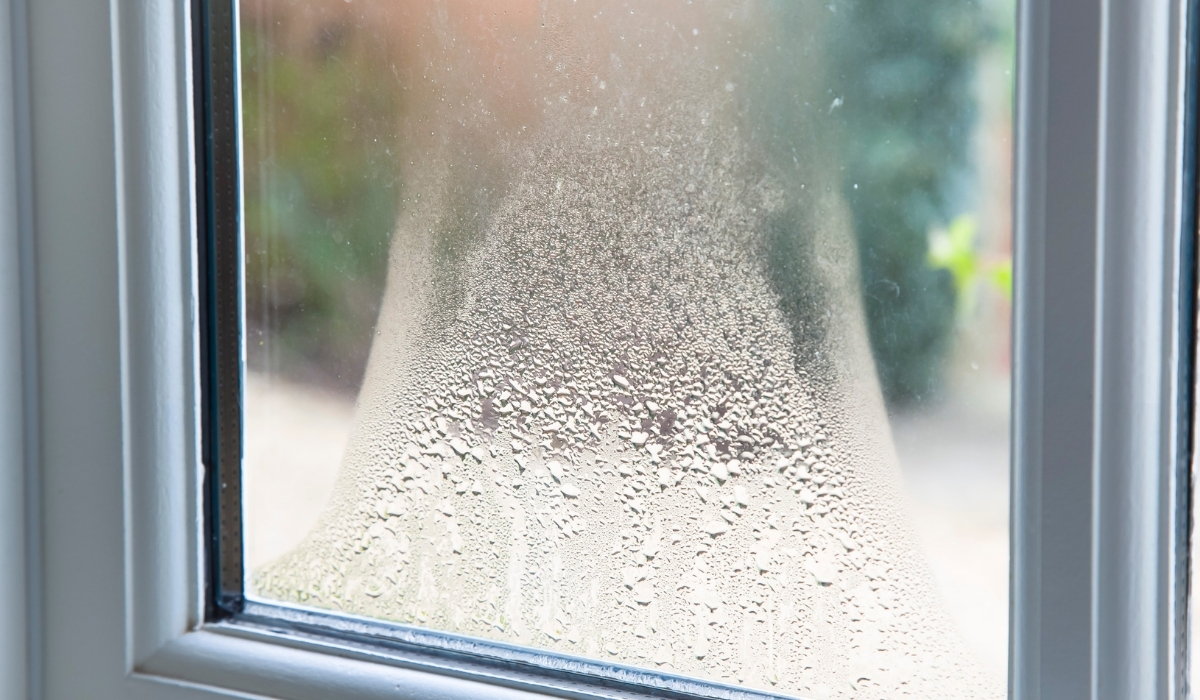
Finally, a second seal is applied around the perimeter to ensure the unit is completely airtight and moisture cannot enter. If the seals fail, condensation can form between the panes, reducing clarity and performance.
For a more detailed breakdown of the insulation benefits, see Magnetite’s page on how it works.
What Materials Are Used in Double Glazing?
Glass types: Low-E, laminated, or clear
Low-E (low emissivity) glass has a special coating to reflect heat while letting in light. Laminated glass offers extra safety and noise reduction, while standard clear glass is the most common and cost-effective choice.
Spacer materials: Aluminium vs warm edge
Traditional spacers are made from aluminium, but warm edge spacers made from insulating materials reduce heat loss further and help minimise condensation.
Air vs argon gas filling
Air-filled units are more affordable, while argon gas-filled units deliver better thermal performance. The choice often comes down to balancing cost and efficiency.

How Traditional Double Glazing Differs from Magnetite’s Retrofit System
When homeowners wonder how are double glazed windows made, they often assume that installing them means replacing their entire window units. While this is true for most traditional systems, it is not the only option. Here’s how the two approaches compare:
Traditional Double Glazing
- Full window replacement – The old window frame and glass are removed entirely.
- Factory-made units – New double glazed windows are manufactured off-site, following the process outlined earlier: cutting glass, inserting spacers, adding gas fills, and sealing the panes.
- On-site installation – The new frames are installed into the wall openings, which may require building work, plastering, and repainting.
- Higher upfront cost – You are paying for both the glazing and brand-new frames, which increases material and labour costs.
- Longer installation timeline – Depending on the number of windows, replacement can take days or even weeks.
Magnetite Retrofit Double Glazing
- No frame removal – Your existing windows stay in place, keeping the character and appearance of your home intact.
- Custom-made acrylic panels – Instead of glass, Magnetite uses a clear optical-grade acrylic sheet, measured and cut to fit your current frames.
- Magnetic sealing system – The panel is attached to the inside of your window with a magnetic perimeter seal, creating an airtight cavity.
- Quick installation – Most homes can be retrofitted in just a few hours per window, with minimal disruption.
- Cost-effective – Because you’re not replacing frames, you save significantly on materials and labour.
Why This Matters for NZ Homes
If you live in a character villa, a heritage property, or simply want to avoid the disruption of full window replacement, Magnetite’s retrofit system delivers the insulation and noise-reduction benefits of double glazing without the high cost or loss of your home’s original charm.
It is also a faster path to comfort. While traditional double glazing requires manufacturing lead times and potentially lengthy building work, Magnetite’s retrofit can often be installed within weeks of your initial consultation.
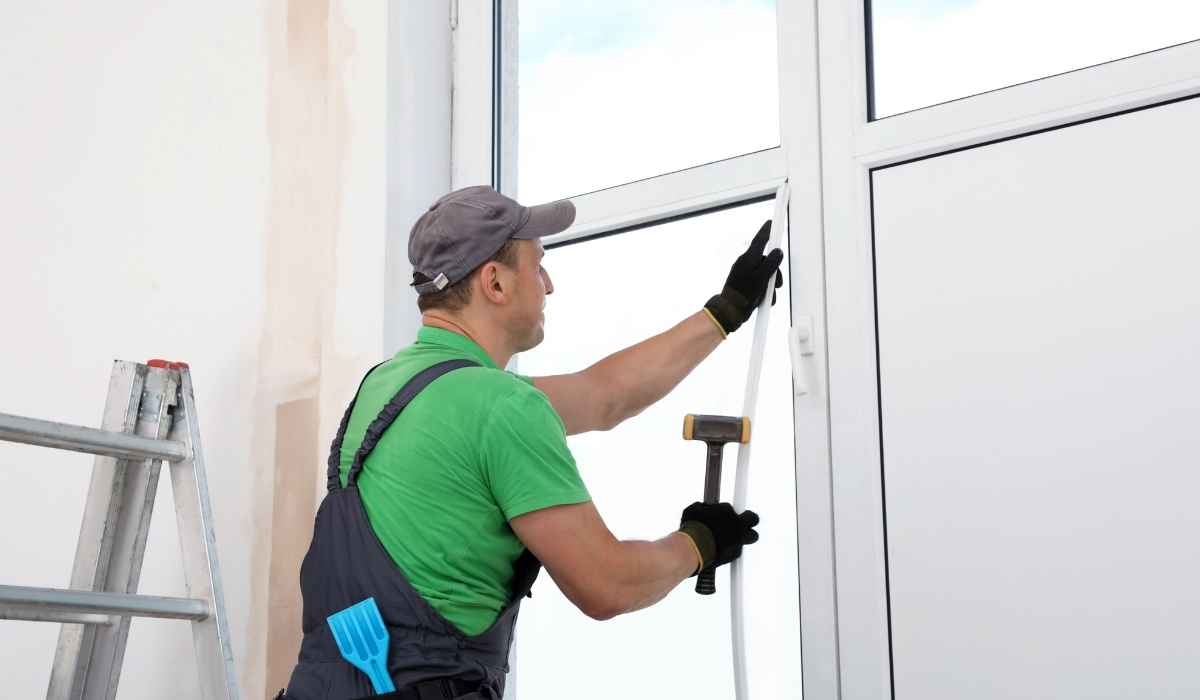
How Is Magnetite Different?
The retrofit approach explained
Rather than replacing your entire window, Magnetite installs a secondary glazing panel inside your existing frame. This creates the same insulating gap you find in standard double glazing but without disturbing the existing structure.
Optical-grade acrylic vs standard glass
Magnetite uses optical-grade acrylic that is as clear as glass but significantly lighter. This makes it easier to handle, more impact-resistant, and ideal for retrofit applications.
Magnetic sealing for superior insulation
The magnetic seal ensures an airtight fit, helping prevent drafts, condensation, and energy loss. This technology is a key reason why retrofit double glazing can perform comparably to traditional systems.
Why Choose Retrofit Over Replacement?
Lower cost, less disruption
Retrofit avoids the cost of replacing frames, making it a more budget-friendly option while still delivering significant thermal and acoustic improvements.
Ideal for heritage and existing homes
Because retrofit double glazing does not alter the external appearance of your windows, it is a great solution for heritage properties or homes where maintaining character is important.
Comparable performance to new double glazing
When installed correctly, Magnetite’s system can deliver performance on par with modern double glazing – helping you save on heating and cooling costs.
For more on the cost implications of upgrading, read our blog on the real cost of single glazing in New Zealand homes.
How to Get Started with Magnetite
The consultation and assessment process
Your journey begins with a free consultation where a specialist will assess your current windows, take measurements, and recommend the best solution for your needs.
Installation without replacing your windows
Once your panels are custom-made, installation is quick and clean, with no major building work required. In most cases, you can enjoy the benefits of double glazing the same day your retrofit is installed.
Ready to improve your home’s comfort and efficiency? Book your free consultation with Magnetite today and see how easy it is to retrofit double glazing into your existing windows.


